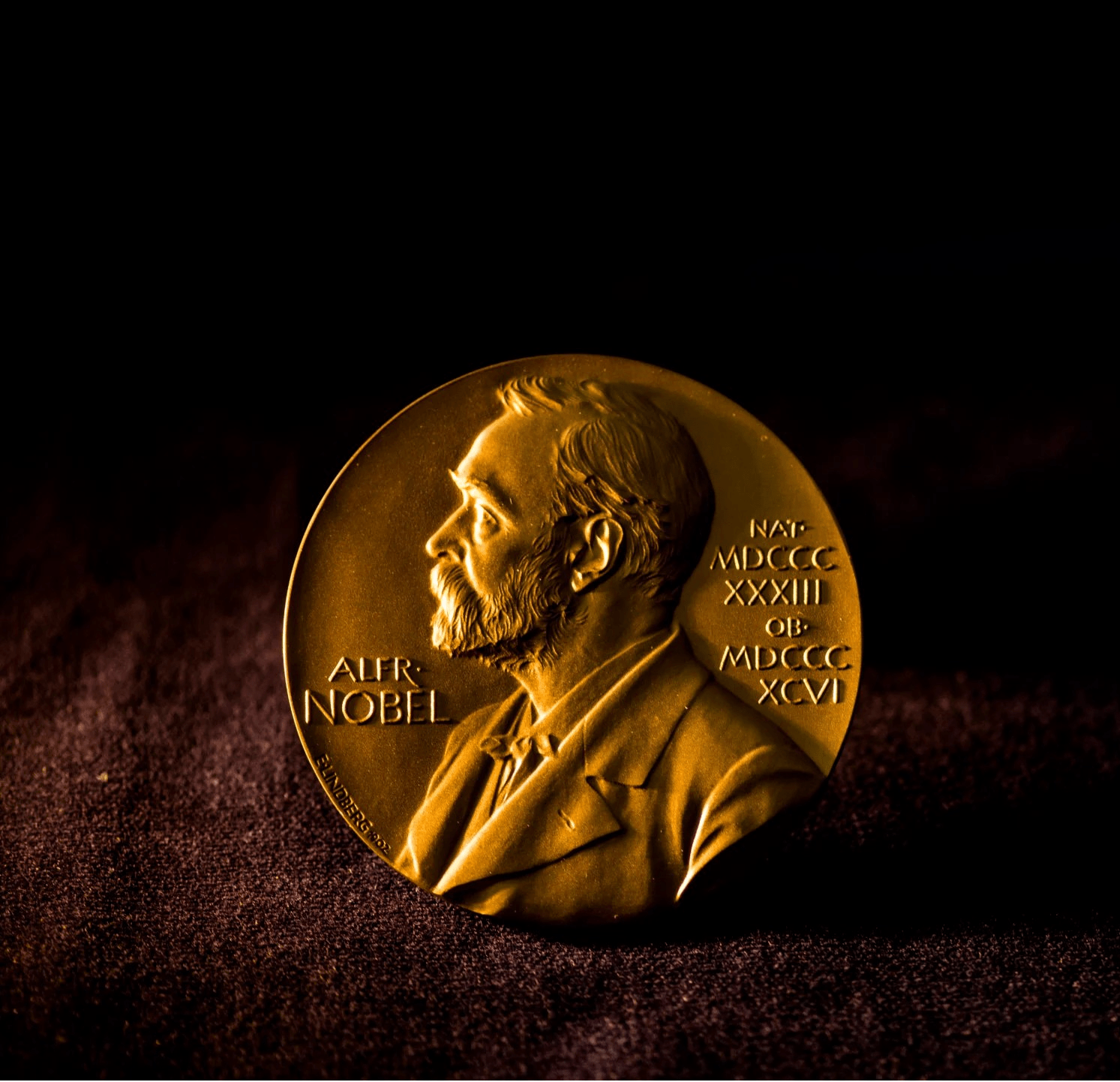
The Nobel Prizes, bearing a legacy of visionary contributions and breakthroughs, stand as the most highly anticipated and esteemed awards of the year. Among the distinguished categories, the field of Physics holds a paramount position. In recent years, the world of physics has witnessed a surge in groundbreaking discoveries with particular emphasis on three major domains – astrophysics, quantum physics and atomic physics. Consequently, we have seen these achievements translate into well-deserved awards and accolades, with 2023 being no exception.
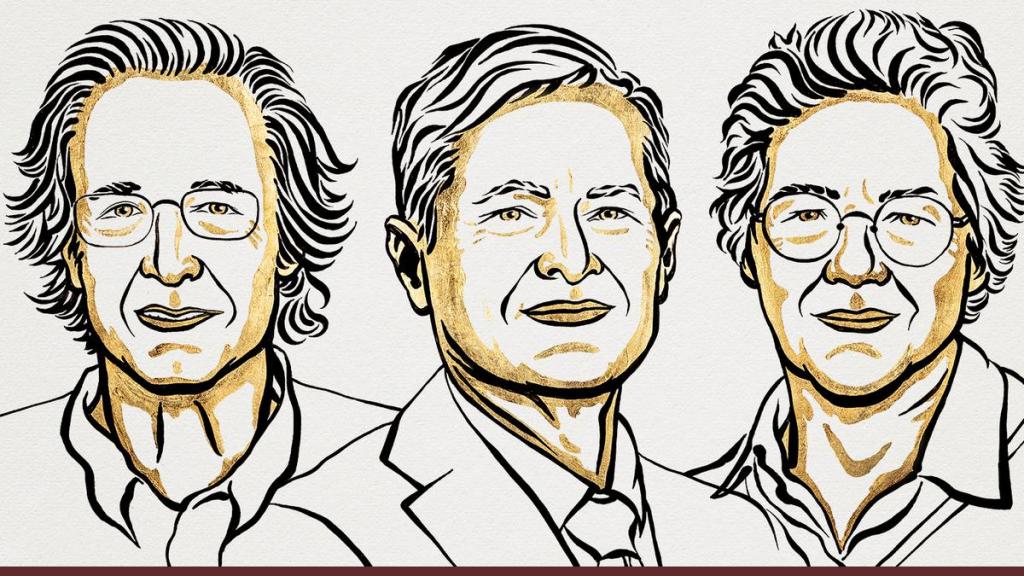
The Nobel Prize in Physics 2023 was awarded to Piere Agostini, Ference Krausz and Anne L’Huillier, recognizing their collective discovery of methods that produce “attosecond” pulses of light for the study of the movement of electrons. An attosecond is equivalent to 1×10 -18 seconds or, as described by the committee, ‘an attosecond is to one second as one second is to the age of the universe’. These extremely short-lived pulses enable scientists to observe and measure the rapid processes in which electrons move between orbitals and change energy levels, something that was previously considered impossible.
This breakthrough has birthed a new realm of exploration referred to as Attosecond Physics that deals with the movement and intricate influence of sub-atomic particles on chemical reactions that keep life going. This discovery is not just a major milestone, but also a beacon guiding us into further advancements – an entirely new epoch of scientific inquiry.
“The ability to generate attosecond pulses of light has opened the door on a tiny, extremely tiny, time scale and it’s also opened the door to the world of electrons,” said Eva Olsson, from the Nobel Prize in Physics Selection Committee.”

 npasofficial.com